
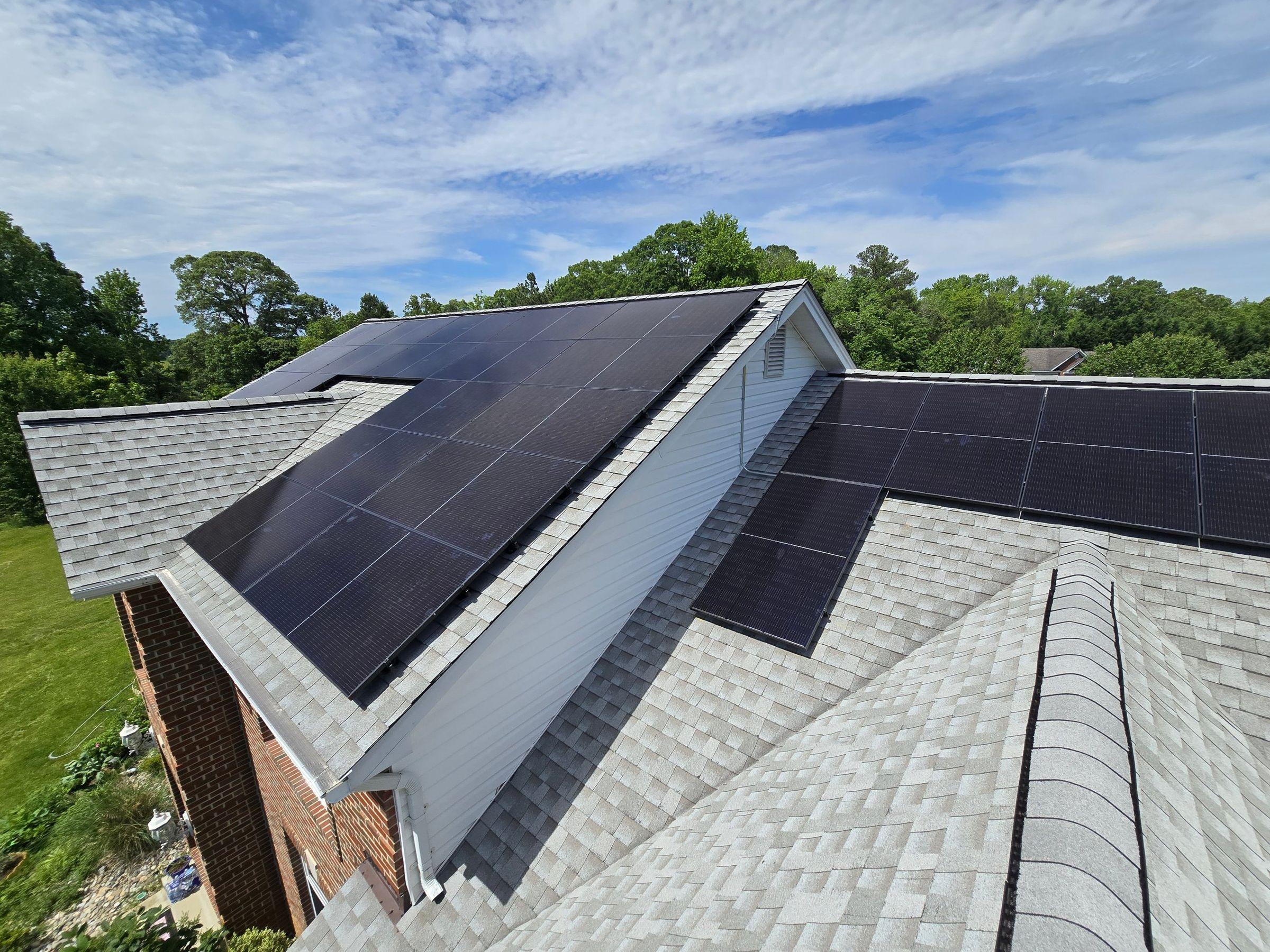
Home solar and battery backup for Southern California
We design, permit and install rooftop solar and home batteries for homes served by SCE, LADWP and SDG&E.
Solar sized to your home
We design the system from your real electricity use and the shape of your roof.
Battery backup
A home battery stores midday solar for the evening and can keep your home running in an outage.
Permits and paperwork handled
We file the building permit and the utility application, and tell you where each one stands.
Licensed in California
CSLB C-46 (Solar) contractor, license #1161177.
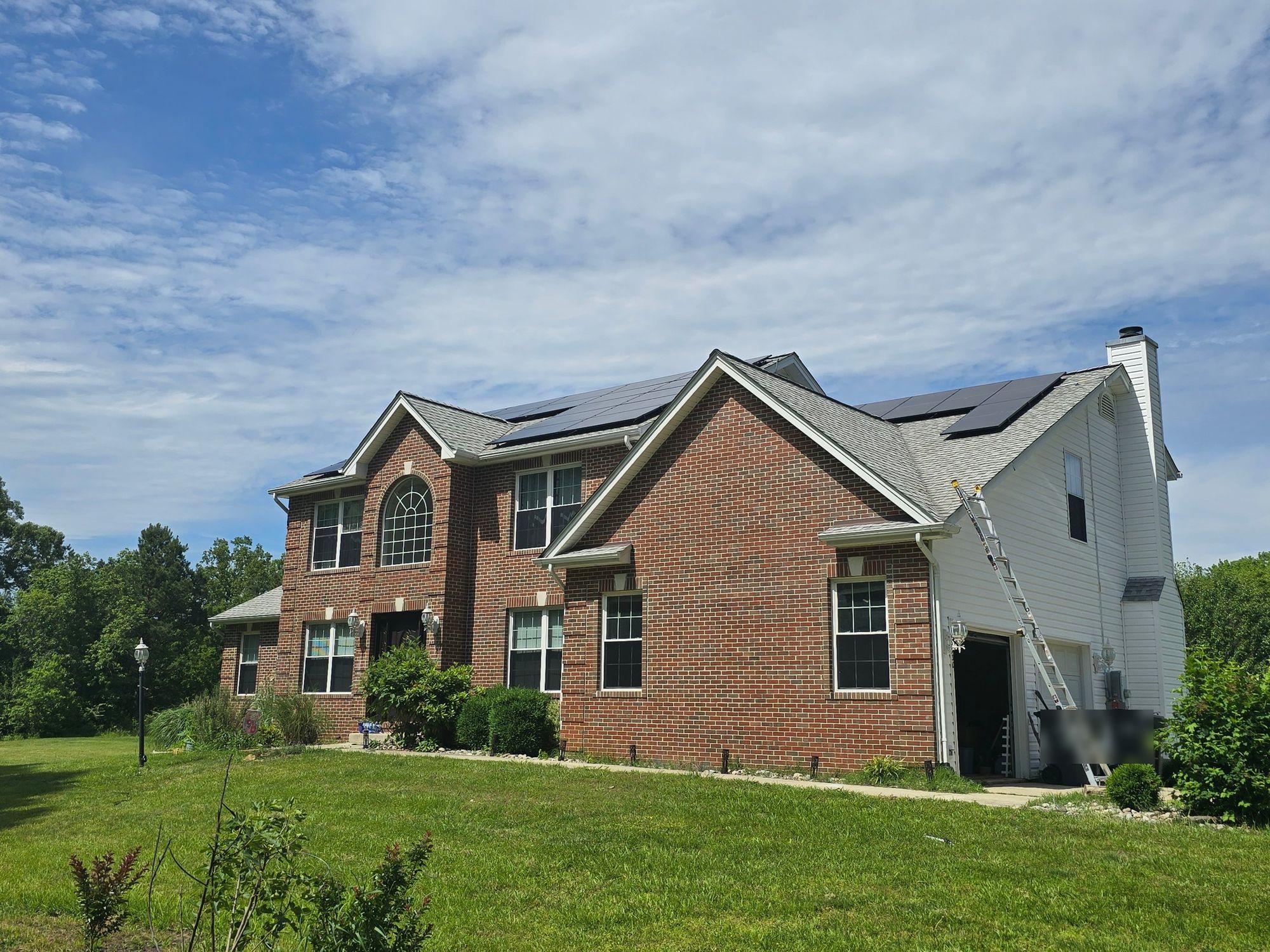
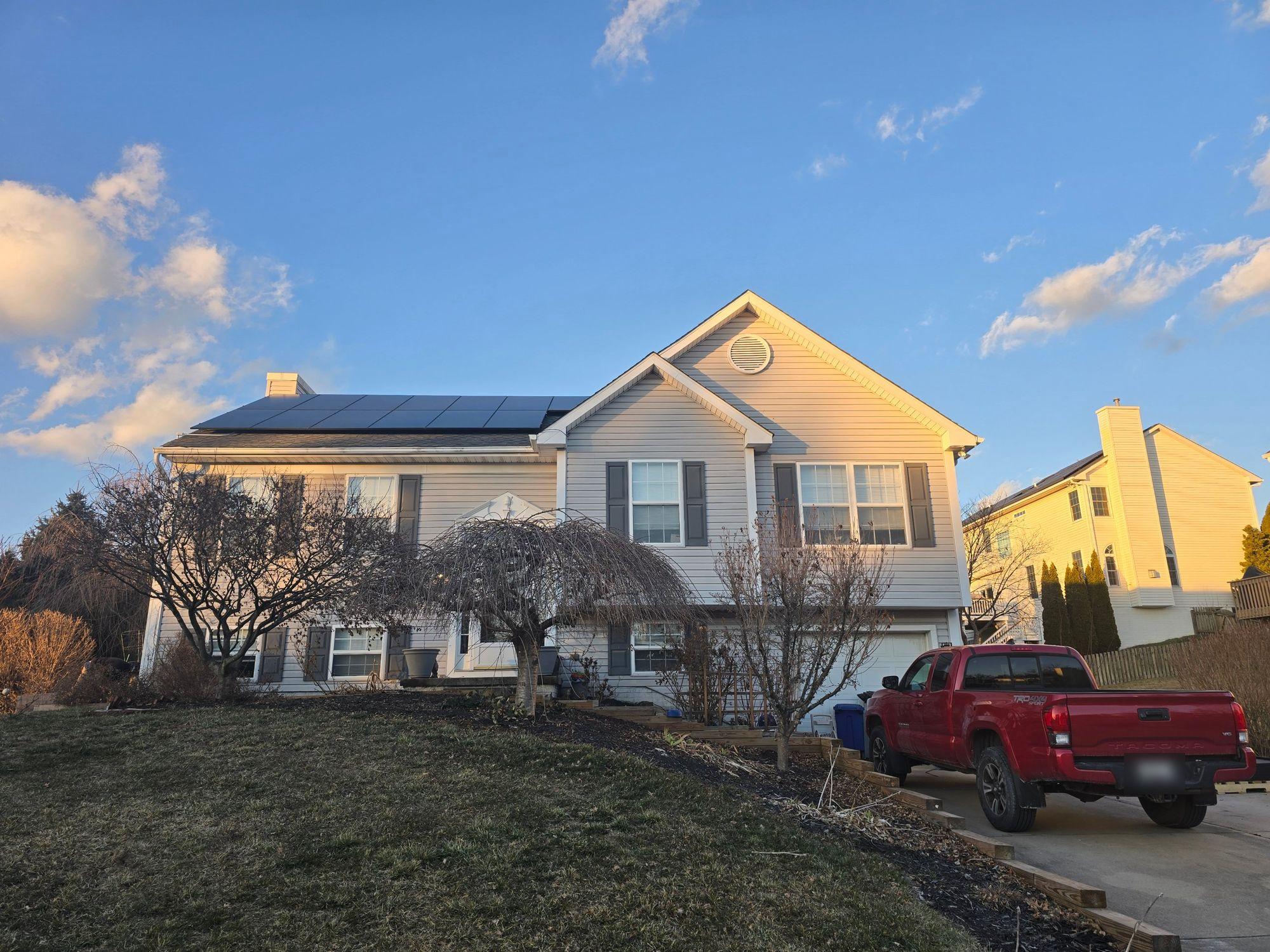
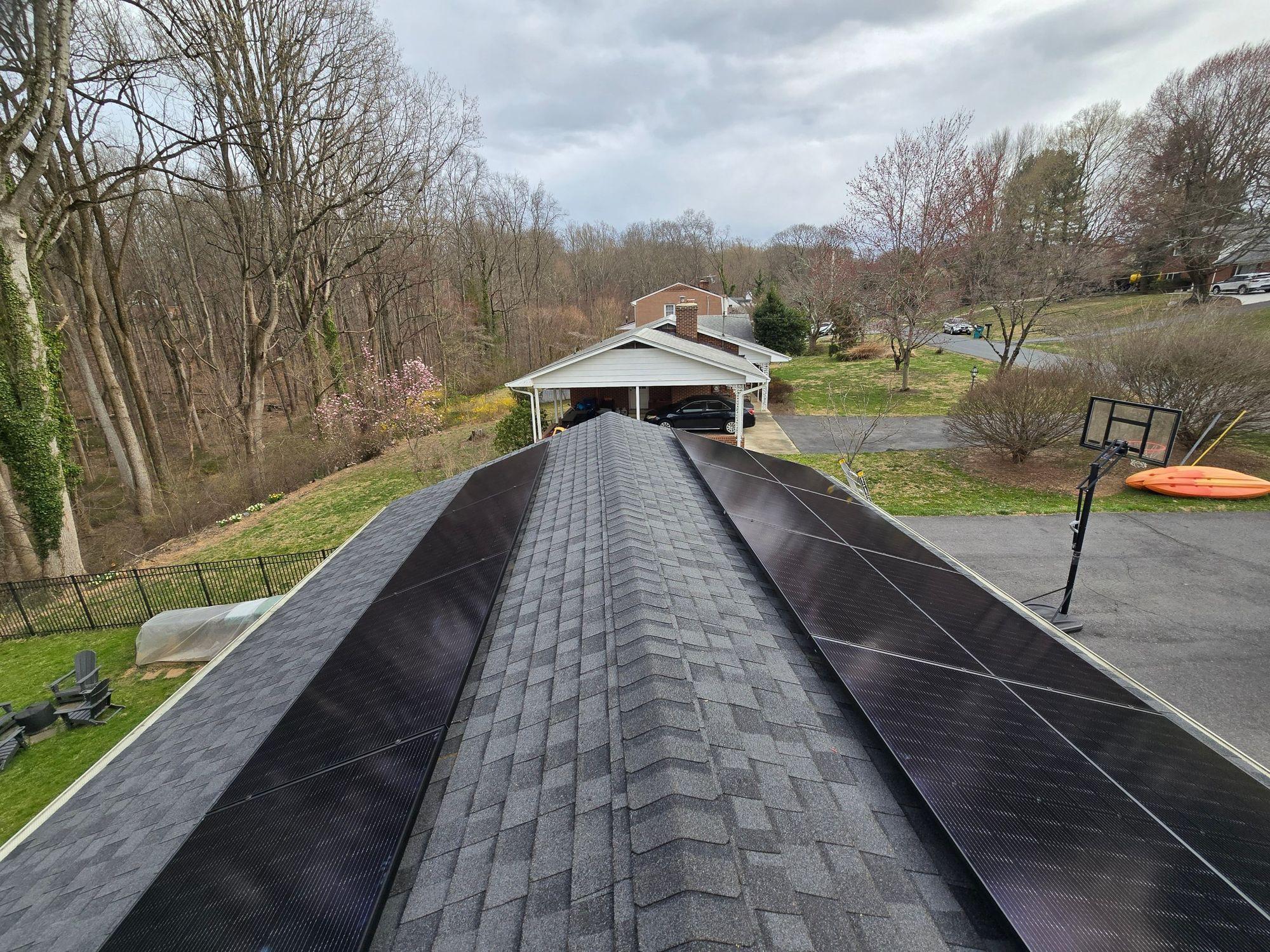
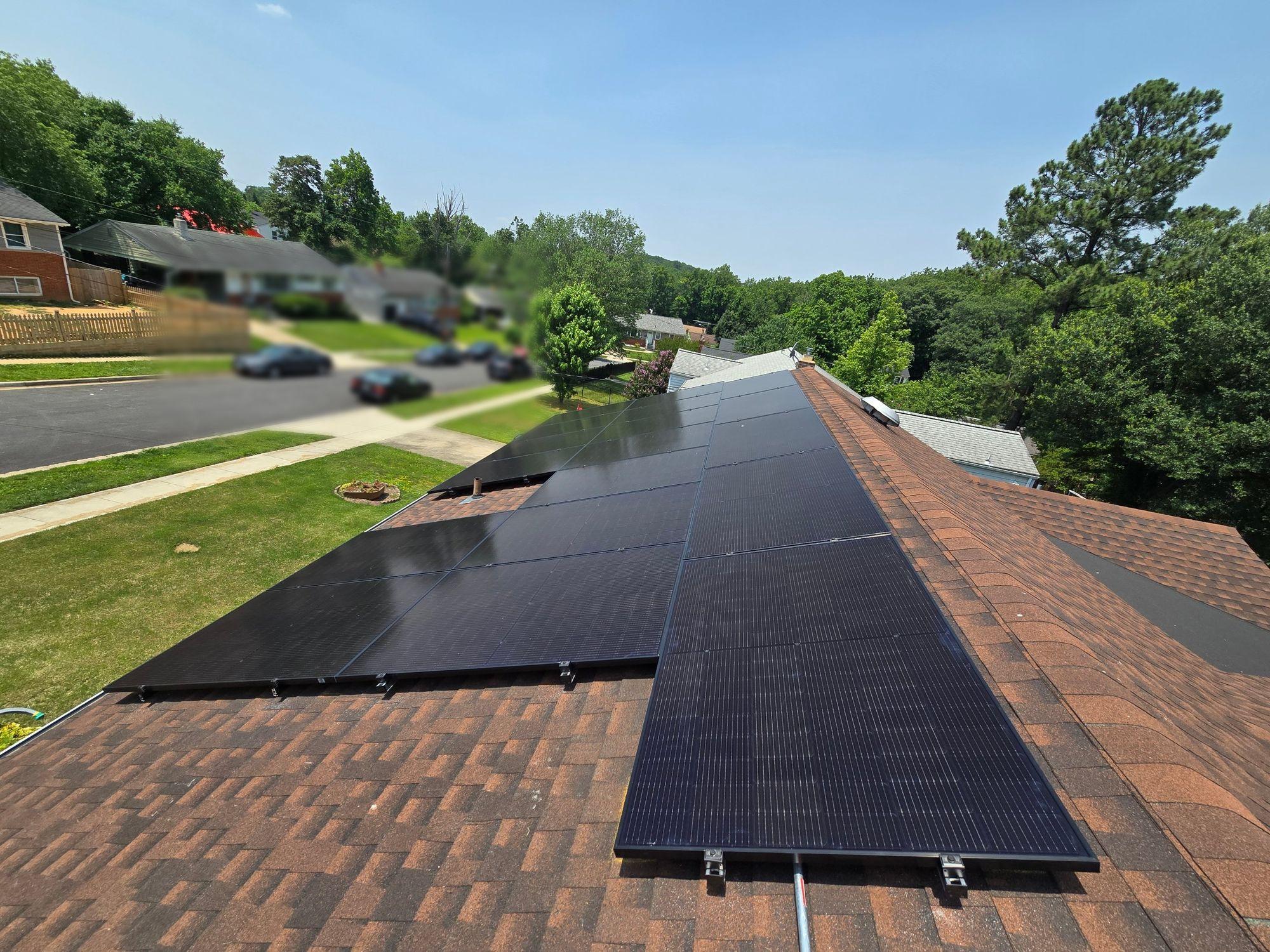
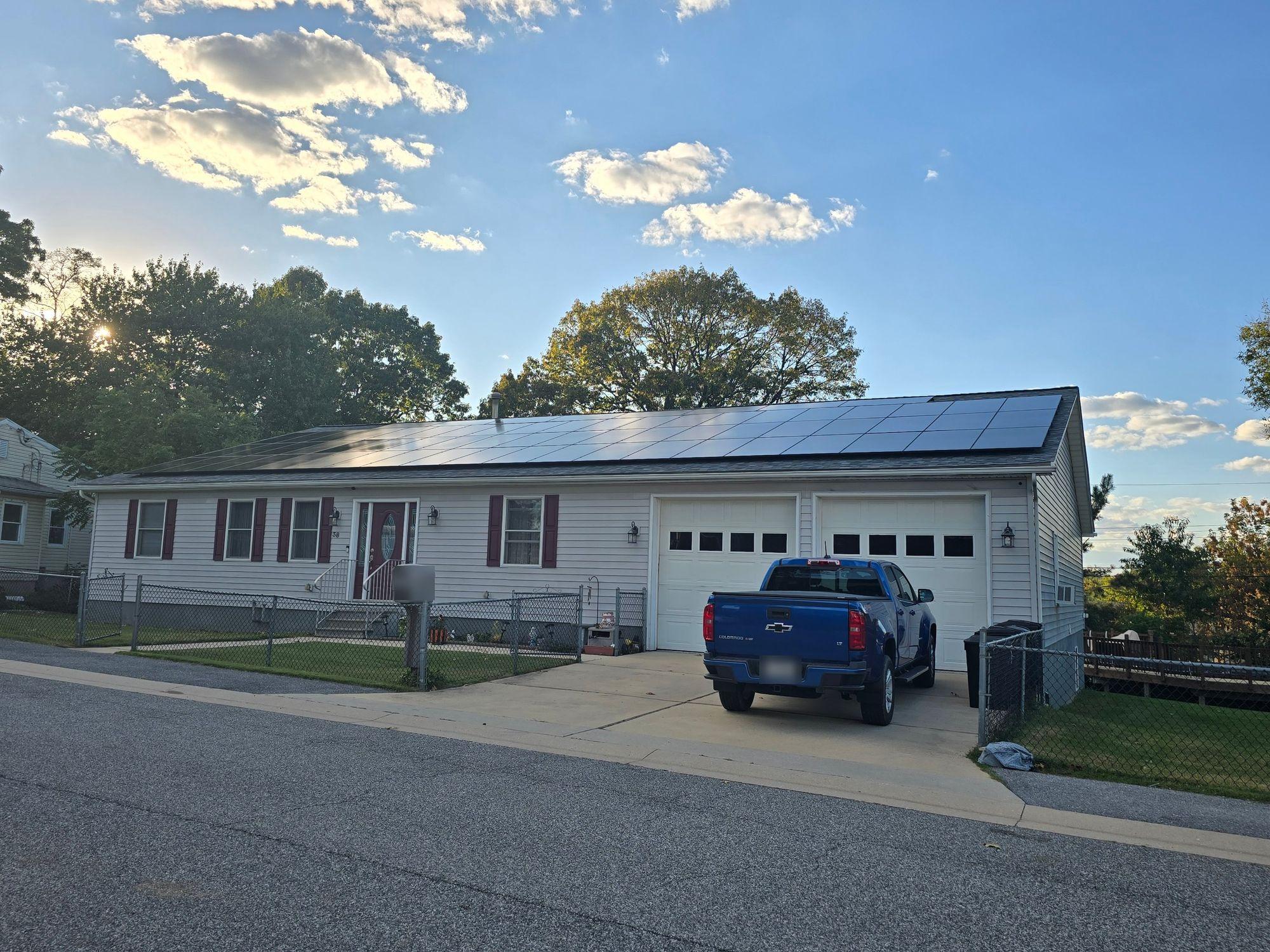
Our work, on real roofs
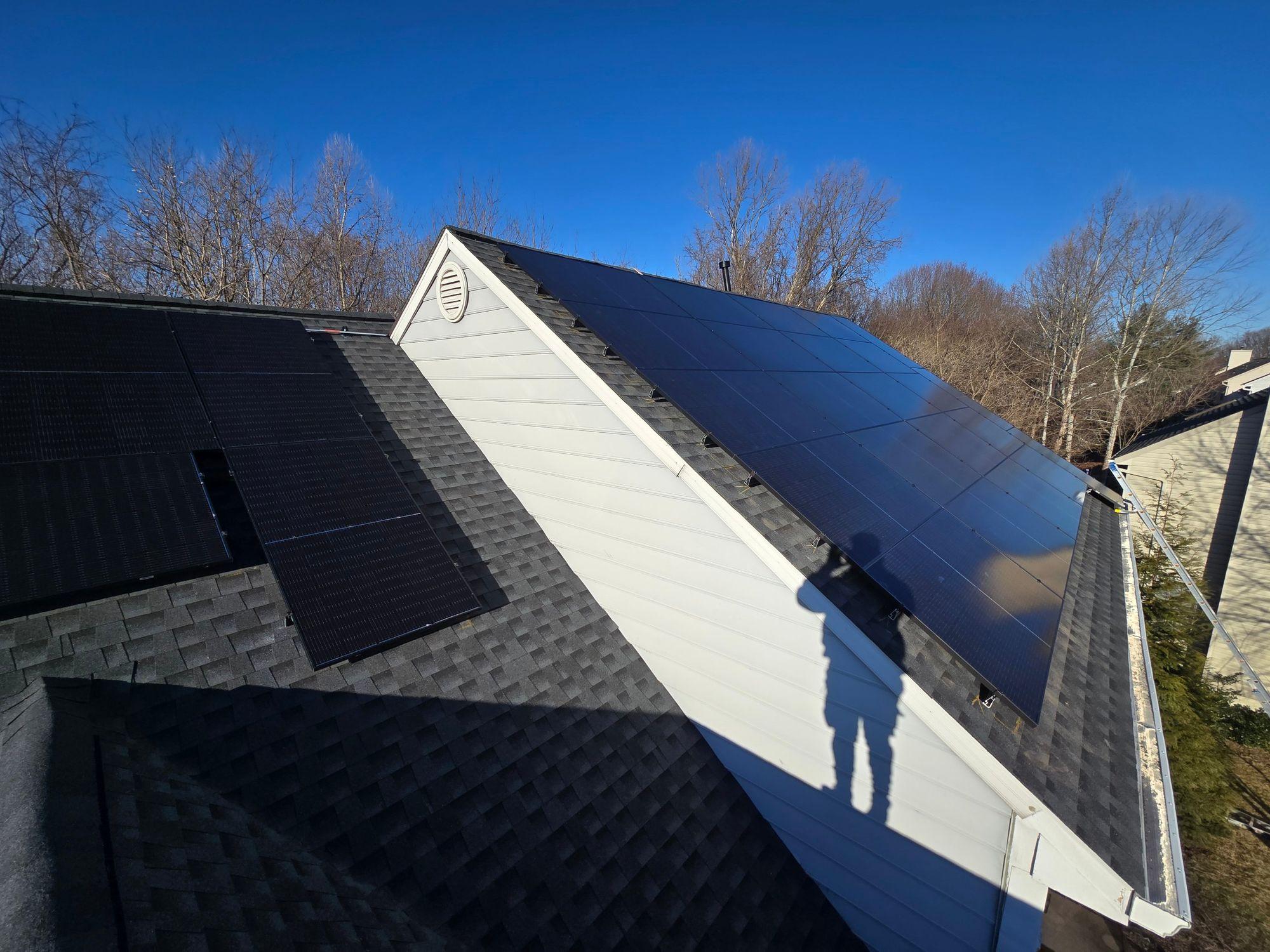
Every photograph on this site is a Solar Global installation, put in by our own crews. No stock pictures, no renderings.
Get a quote for your home
Tell us where the home is and who your utility is. We look at your roof, ask for a recent electric bill, and send you a design and the terms in writing.
What happens next
- 1We call or email you to confirm a few details.
- 2We ask for a recent electric bill and look at your roof from satellite imagery.
- 3We send you a design and the terms in writing. No visit is needed for this step.
Prefer to talk? Call (703) 789-3567.
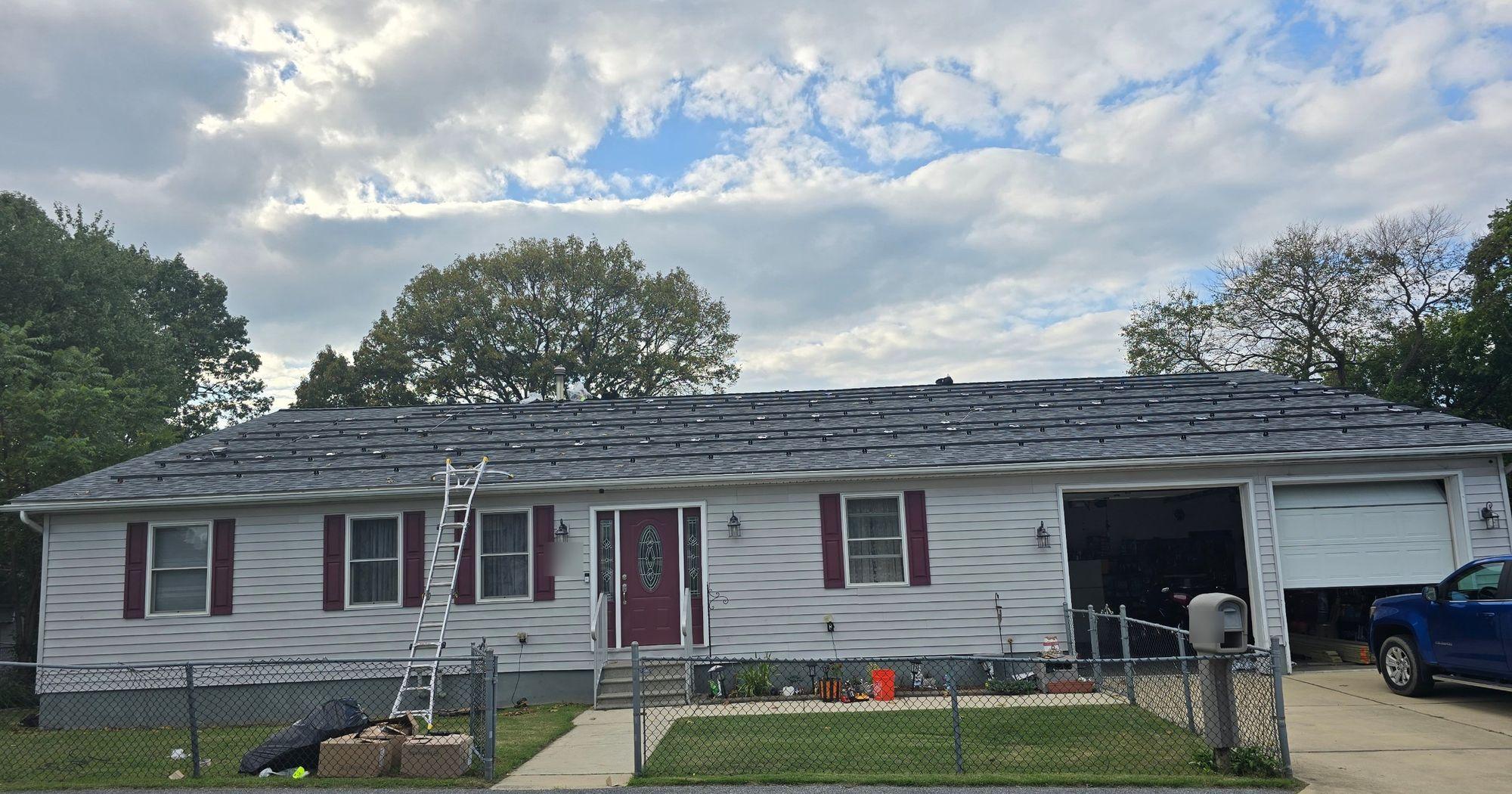
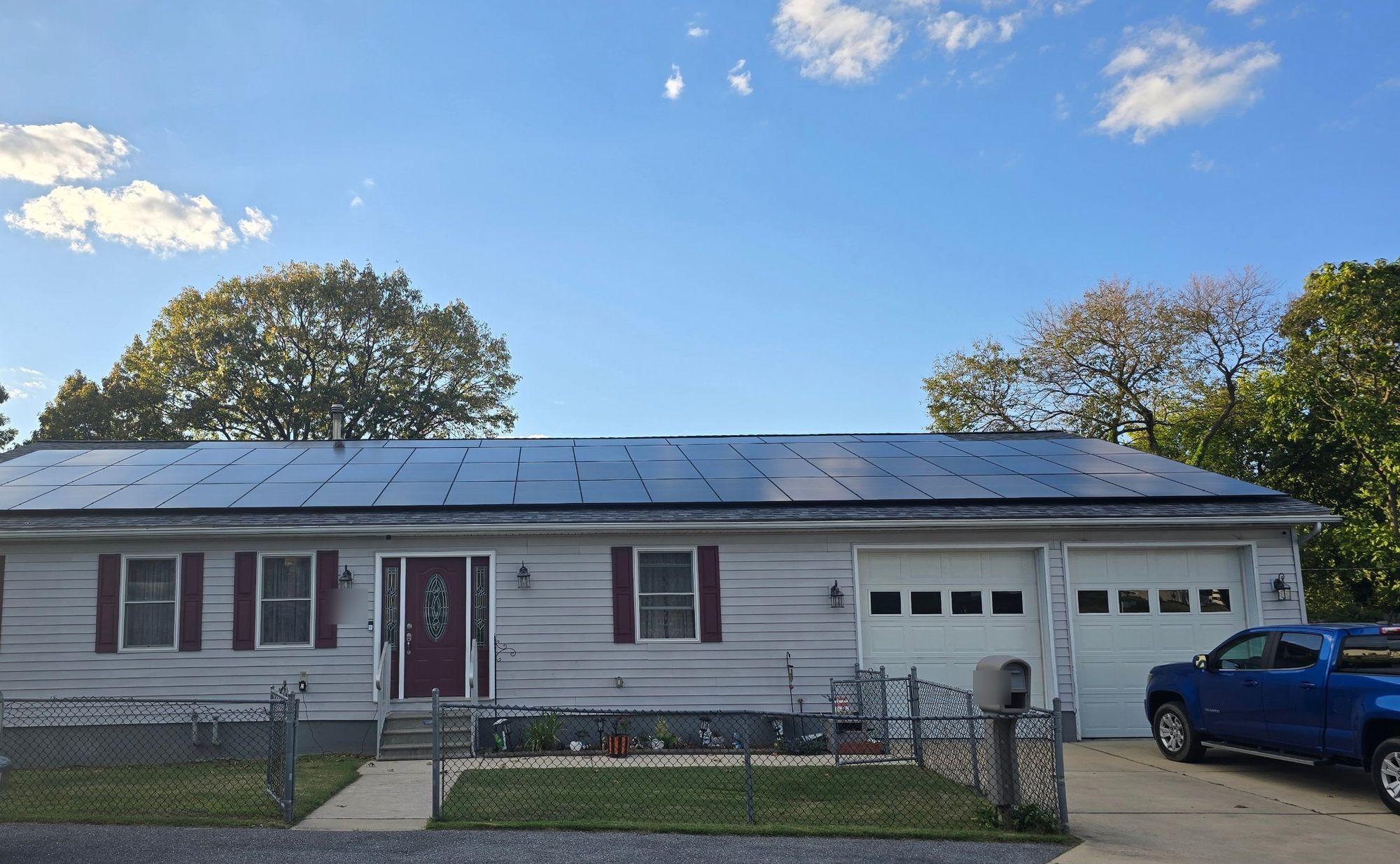
From bare roof to switched on
One company runs the whole project, from the first design to the day your utility lets you turn the system on. Our own crews do the installation.
- Step 1
Quote and design
Send us your address and a recent electric bill. We design a system around how much power your home uses and when it uses it.
- Step 2
Agreement
You review the design, the equipment and the terms in writing. Nothing is ordered or scheduled until you sign.
- Step 3
Site survey
A technician checks your roof, attic and electrical panel so the plans match your house.
- Step 4
Permits and utility approval
We file the building permit with your city or county and the interconnection application with your utility.
- Step 5
Installation
Our own crew installs the panels, the battery and the electrical work, then the city inspects it.
- Step 6
Permission to operate
Your utility gives final approval and the system is switched on. We show you how to follow it in the monitoring app.
Why solar comes with a battery now
Your panels make the most power in the middle of the day. Your home uses the most in the evening, when everyone is back and the air conditioning is still running.
Under California's Solar Billing Plan, which covers Southern California Edison and San Diego Gas & Electric customers, the credit for power you send to the grid is usually lower than the price you pay to buy power back. A battery keeps your midday power at home and uses it in the evening.
What a system includes
- Solar panels sized to how much power your home uses.
- A home battery that stores midday power for the evening.
- Inverters and electrical work that tie the system into your panel.
- A monitoring app that shows what you make, store and use.
Paying for solar
Most of our customers choose a lease or a power purchase agreement. A financing company owns the system, and you pay a set monthly amount or for the power it makes, instead of buying the equipment. Which of the two you are offered depends on the financing company and your utility. Approval depends on the financing company's review, and your quote shows the terms in writing.
Where we work
Southern California Edison
Most of Los Angeles County outside the City of Los Angeles, plus Orange, Riverside, San Bernardino and Ventura counties.
Los Angeles Department of Water and Power
The City of Los Angeles.
San Diego Gas & Electric
San Diego County and the southern part of Orange County.
Questions homeowners ask
Why does the system include a battery?
Under California's Solar Billing Plan, which covers Southern California Edison and San Diego Gas & Electric customers, the credit for power you send to the grid is usually lower than the price you pay to buy power back. A battery stores what your panels make at midday so your home can use it in the evening.
How long does it take to go solar?
It depends mostly on your city's permit office and your utility's approval queue, which we don't control. We give you an estimate for your address before you sign, and we tell you where your project stands at each step.
What does it cost?
It depends on your roof, your electricity use and how you pay. Most of our customers choose a lease or a power purchase agreement instead of buying the system. Your quote shows the terms in writing before you decide.
Is my home a good fit?
Usually yes if you own the home, the roof is in good condition and it gets sun for most of the day. We check shade, roof age and your electrical panel during the design and the site survey, and we tell you plainly if solar is not a good fit.
What happens if I sell my house?
A lease or power purchase agreement can usually be transferred to the buyer, subject to the financing company's approval. The steps are written in your agreement, and we can walk you through them.
Who do I call if something goes wrong?
Us. Solar Global holds the contractor license for your installation, so the same company that sold and installed the system is the one you call.